

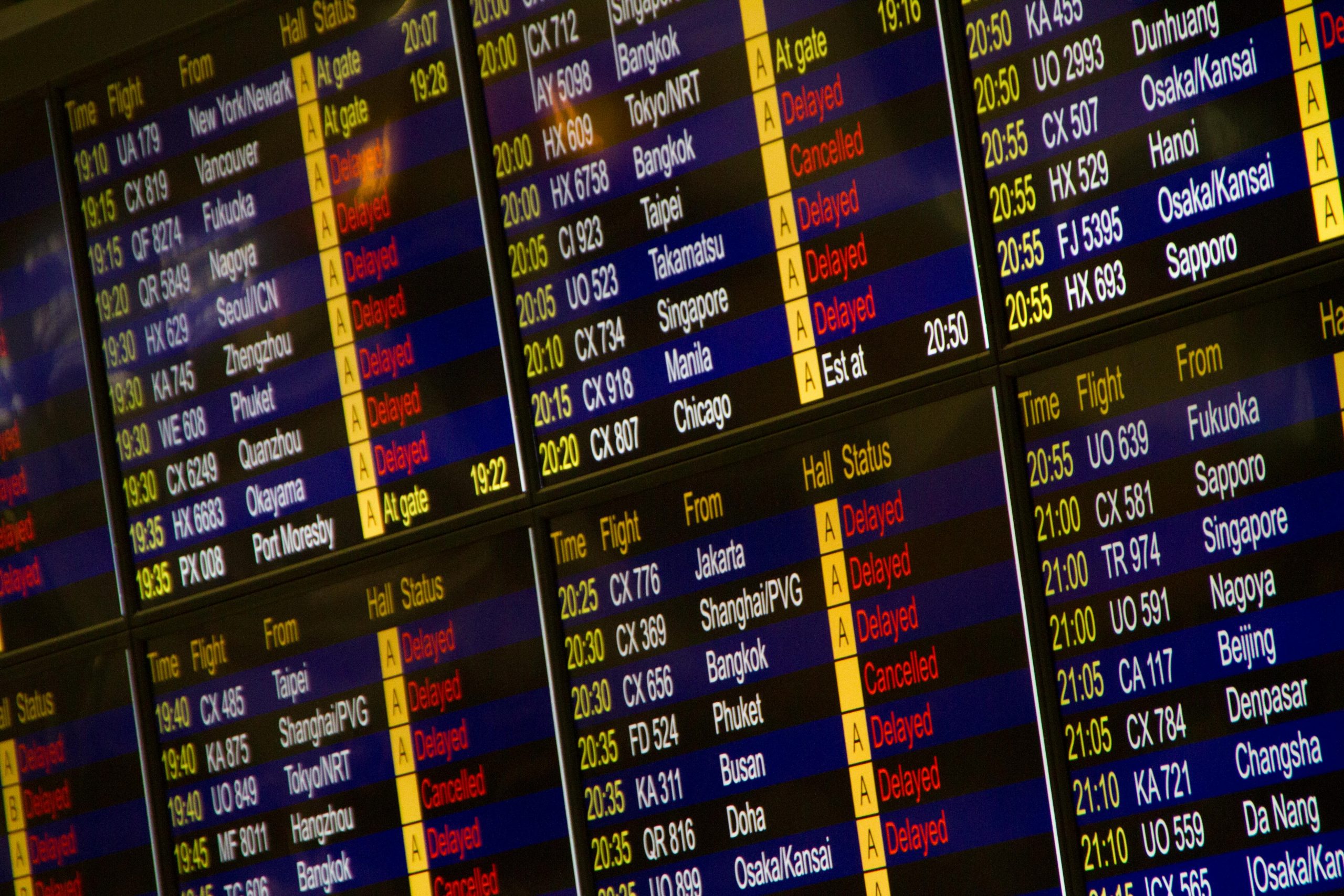
Air travel disruptions are more than just an inconvenience—they are a breach of the service agreement you paid for. Every year, millions of travelers endure hours of waiting in terminals or overnight stays in airport hotels due to cancellations and delays. While many passengers feel that holding an airline accountable is too intimidating or time-consuming, the reality is that air passenger rights laws exist specifically to protect you.
AirHelp has emerged as a global leader in this space, utilizing technology and legal expertise to ensure that travelers receive the compensation they are legally owed.
What is AirHelp?
Founded in 2013, AirHelp is a claims management company designed to bridge the gap between frustrated passengers and powerful airlines. Operating in over 30 countries and supporting 16 languages, the firm has helped nearly 3 million people navigate the complexities of aviation law.
The service operates on a “no win, no fee” basis. This means there is no financial risk to the traveler; AirHelp only takes a service fee (typically starting at 35%) if they successfully secure money from the airline. If they have to take the airline to court—a common occurrence when carriers unfairly reject claims—they handle all legal costs and risks.
How the Process Works
AirHelp simplifies what is usually a bureaucratic nightmare into a few digital steps:
- Instant Eligibility Check: By entering your flight details into their platform, proprietary AI tools cross-reference your flight against global weather and air traffic control databases. This determines if the delay was within the airline’s control (like technical faults or crew strikes) or an “extraordinary circumstance” (like extreme weather).
- Claim Filing: If eligible, you provide your boarding pass and a form of ID.
- Legal Advocacy: AirHelp’s legal team takes over all communication. They possess the resources to challenge airline legal departments that might otherwise ignore an individual passenger.
- Compensation: Once the claim is settled, the funds are transferred directly to you, minus the service fee.
Why You Should Claim
Airlines rarely offer compensation proactively. In many cases, they rely on passengers’ lack of knowledge to avoid payouts. By filing a claim, you aren’t just seeking financial redress; you are participating in a system of industry accountability. When passengers consistently claim what they are legally owed, it incentivizes airlines to improve scheduling, maintenance, and staffing, leading to a more reliable travel industry for everyone.
Understanding the Legal Time Limits
One of the most critical factors in securing compensation is the statute of limitations. You do not have to claim on the day of the flight, but you cannot wait forever. The time limit is determined by the laws of the country where the flight took place or where the airline is based:
- United Kingdom: You generally have up to 6 years to file a claim.
- European Union: Limits vary by country. For example, Germany and Austria typically allow 3 years, while Ireland and Spain allow up to 6 years. Some countries, like Belgium or Poland, have shorter windows of 1 to 2 years.
- Canada: Passengers generally have 1 year to file a claim under the APPR.
- United States: While federal law for delays is limited, claims for “bumping” (denied boarding) usually fall under state contract laws, often ranging from 2 to 3 years.
AirHelp Plus: For the Frequent Traveler
For those who fly often, AirHelp Plus offers a subscription model that provides:
- Zero Commission: Members keep 100% of their compensation.
- Real-time Assistance: Instant payouts for delays and lounge access while you wait.
- Luggage Support: Specialized help and compensation for lost or mishandled bags.
Don’t Leave Money on the Table
Because the “clock” begins ticking the moment your flight was scheduled to land, it is vital to start the process as soon as possible. Even if your disruption happened two or three years ago, you could still be entitled to up to €600 (£520) per person. Checking your eligibility takes only a few minutes and is the most effective way to ensure your rights as a traveler are respected.
Check If You’re Eligible for Compensation →